Timeless Cozy Soft Lights for each Period: Permanent Illumination That Never Goes Out of Style
There is a factor cozy, soft exterior lights has remained pertinent while numerous home fads have actually melted bright and faded quickly. It flatters design, it makes individuals feel welcome, and it works just as well on a quiet Tuesday in March as it does on a cheery December evening. Great lights does not need to yell. As a matter of fact, one of the most long-lasting lights plans seldom do.
That is specifically why extra property owners are moving toward Permanent Vacation Lighting that are subtle sufficient for day-to-day usage, yet adaptable adequate to commemorate the entire schedule. The most effective systems do not transform a house right into a billboard. They put into the roofline, disappear in daylight, and come to life after sundown with a mild heat that feels deliberate as opposed to flashy.
After seeing a variety of installments on colonials, cottages, mountain homes, modern farmhouses, and clean-lined contemporary builds, one factor keeps verifying itself: classic cozy soft lights are the safest lasting option for property owners that appreciate visual appeal. They mature well. They match a lot more architectural designs. They are simpler to deal with. And when installed correctly, they can provide year-round atmosphere without the annual ladder routine.
Why cozy soft light maintains winning
A house has its own aesthetic language. Brick shows light in a different way than repainted fiber cement. Natural stone absorbs some tones and exaggerates others. Dark trim can hone contrast, while lotion or beige fascia has a tendency to diffuse it. Against all those variables, a warm color temperature usually acts predictably and gracefully.
Cool white can look crisp on some contemporary homes, yet it can also feel sterile or extreme. Saturated shades are fun for occasional use, though they can quickly subdue traditional style. Warm white, specifically in the soft range many people connect with classic incandescent holiday hairs, tends to complement as opposed to contend. It highlights shape. It offers deepness to eaves and peaks. It draws out appearance in wood, stonework, and landscaping.
There is likewise a practical side to this preference. Home owners typically begin their search thinking mostly regarding the vacations, then realize they will be seeing these lights all year. What looks exciting in a December product demo might feel also intense in April. A warmer, softer setting stays clear of that problem. It provides enough presence to make the home appearance brightened after dark, yet not so much that neighbors seem like they need sunglasses to walk the dog.
In neighborhoods with rigorous architectural requirements or casual assumptions about restriction, this issues. Long-term lighting functions best when it really feels integrated right into the property, not layered in addition to it. Warm light assists develop that effect.
Permanent lights has matured
Early versions of permanent roofline lights commonly looked exactly like what they were, a retrofit. Noticeable tracks, large housings, and apparent spacing made some systems feel much more industrial than household. That has transformed. Better network style, lower-profile real estates, and cleaner installing methods indicate a top quality Permanent LED Lighting Setup can almost disappear during the day.
That daytime invisibility is just one of the largest factors irreversible systems currently attract home owners who formerly would not have actually year round permanent led lighting considered them. If the hardware is very discreet and the nighttime light is fine-tuned, the configuration quits sensation seasonal and begins operating a lot more like building lighting.
The technology has matured in another vital method: control. A lot of irreversible systems now allow separate scenes, dimming, timers, and color changes. That adaptability matters, but it can sidetrack from a much more essential decision. The system itself may be capable of hundreds of results, yet the setting that gets utilized frequently is normally the most basic one, a reduced to medium brightness warm white.
That pattern appears repeatedly. Home owners take pleasure in experimenting in the initial few weeks. They examine group colors on game day, patriotic themes in summer season, orange and purple in October. Then they work out into a favored everyday appearance. More often than not, that daily look is warm, soft, and understated.
The distinction between soft and dim
These terms obtain blended together, but they are not the exact same. Soft light refers to the overall visual perception, typically affected by color temperature, diffusion, spacing, and brightness. Dim light just indicates lower output. A badly planned system can be dim and still unsightly. A well-planned one can be relatively brilliant and still really feel soft.
Softness comes from balance. If lights are spaced too much apart, each diode can check out as an unique factor, which creates a dotted rundown instead of a smooth glow. If brightness is expensive, even a warm setting can feel sharp. If the placing place is incorrect, the beam of light can splash in odd instructions and highlight the hardware instead of the architecture.
This is where installation top quality matters more than many homeowners expect. The exact same product can look stylish on one home and uncomfortable on an additional relying on positioning, angle, and programs. I have seen homes with outstanding equipment appearance disappointing due to the fact that the installer dealt with every roofline the exact same. I have actually also seen small systems look extremely refined due to the fact that somebody put in the time to deal with the home rather than versus it.
What makes traditional warm soft lights feel timeless
Timeless illumination normally shares a few attributes. It respects the range of the house. It highlights lines instead of covering them. It is intense enough Click for source to be discovered, but tranquil sufficient to live with. It feels flattering in wintertime and credible in summer.
Classic Cozy Soft Lights inspect those boxes due to the fact that they obtain from lighting language individuals already count on. Candlelight, veranda lights, old incandescent mini lights, dining establishment outdoor patio string lights at dusk, every one of these references reside in the cozy range. They signal convenience. They feel familiar. That emotional knowledge belongs to why warm roofline lighting hardly ever appears out of place.
The design likewise avoids an issue that impacts trendier setups: exhaustion. Lights that depends upon novelty tends to wear on individuals. What seemed exciting six months ago begins to feel busy. Classic lights has the contrary result. It enters into the home, like well-chosen shutters, a good front door shade, or fully grown landscape lighting.
This matters much more for homeowners intending to remain in area for several years. If you are making a permanent investment, the safe bet is not the setup that grabs one of the most interest on social media sites. It is the one you will still appreciate after the fourth winter season, the 7th springtime, and the tenth common weeknight when you draw into the driveway after a lengthy day.
Every period requests for something a little different
One of the biggest advantages of Long-term Vacation Lighting is not just vacation usage. It is seasonal adaptation without seasonal labor. Cozy white can function as the standard all year, after that shift subtly depending upon weather condition, landscape design, and occasion.
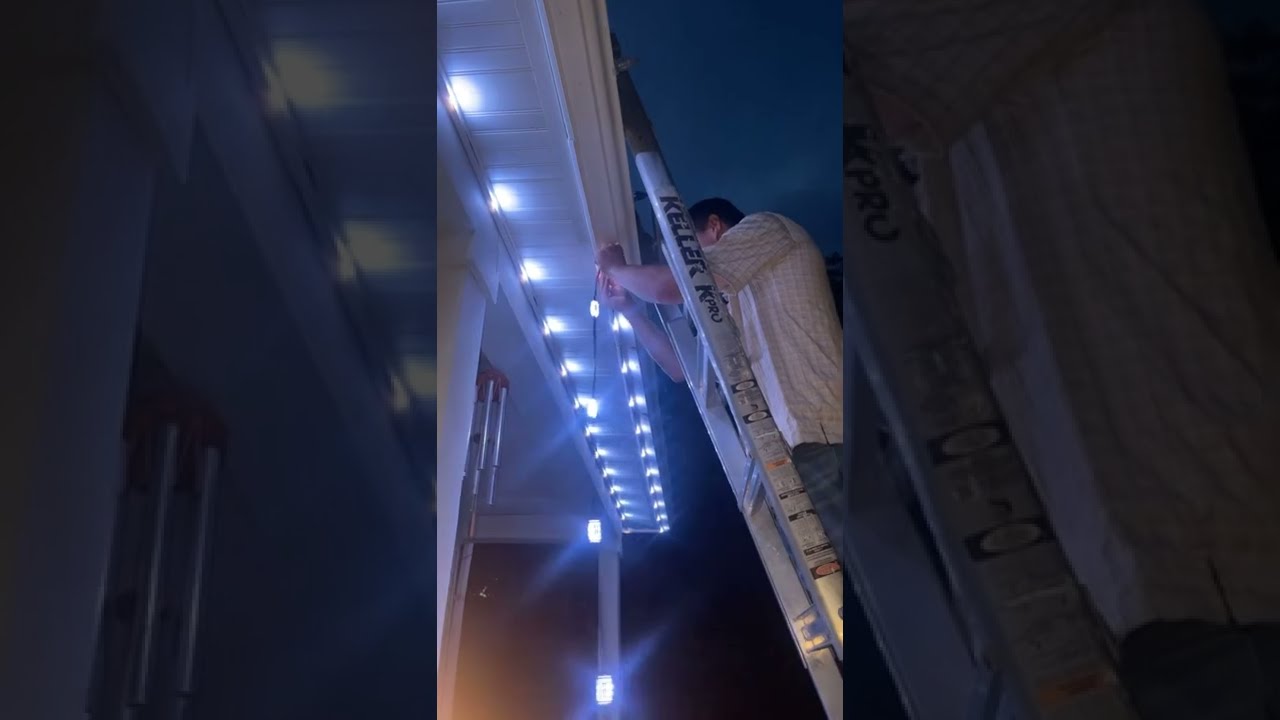
In winter, warm light counters the starkness of bare trees and early darkness. On brick homes particularly, it can make the facade feel rich and based rather than cool. During springtime, the exact same warm tone sets beautifully with blooming trees and fresh compost beds due to the fact that it does not distort natural shades. Summer season is where property owners usually worry that permanent lights will certainly really feel unnecessary, but low-level cozy lights can make night exterior rooms really feel ended up and welcoming, specifically if the front altitude is visible from an outdoor patio or driveway seats area. In autumn, warm tones function virtually easily. They sit normally together with amber leaves, mums, pumpkins, and darker sunsets.
The vital point is that the light does not need to be reinvented each month. The period currently alters the mood. The lights just supports it. A house mounted in cozy soft light really feels a little cozier in December, a bit much more romantic in June, and a little richer in October, although the underlying setting might not alter much at all.
Installation choices that shape the final look
A Long-term LED Lighting Installation is just one of those jobs where small technological choices have large aesthetic effects. Home owners not surprisingly concentrate on the noticeable outcome, but the final appearance relies on details that occur long before the first night test.
Placement is among the initial major choices. Installing as well reduced can subject the hardware and develop glare from certain angles. Placing too deep under a soffit may hide the resource so much that the effect disappears. There is usually a narrow wonderful area where the lights reveals the roofline plainly while maintaining the system very discreet in daylight.
Spacing issues just as much. Tighter spacing generally develops a smoother, richer line of light, however it can additionally increase price and strength if not programmed carefully. Wider spacing reduces expense, though it can look choppy on larger exteriors or homes with long continuous runs. A good installer gets used to the range of the home rather than applying one conventional pattern to everything.
Color calibration is an additional overlooked factor. Not every maker's "warm white" looks the same. Some lean amber, nearly candlelike. Others are closer to a soft neutral white. Neither is immediately ideal or incorrect, however the home's materials need to direct the selection. Cream trim, tan rock, cedar accents, and red brick usually gain from a warmer tone. Brilliant white trim, black home windows, and minimalist style can occasionally take care of a slightly cleaner white while still remaining soft.
Here are the setup details worth going over prior to job starts:
- Where the track or network will certainly rest, and just how visible it will certainly remain in daytime
- How the light spacing will certainly be readjusted for tops, dormers, and long straight runs
- Whether wiring and power supply parts will be concealed easily
- What warm white array the system generates, and just how lowering affects that tone
- How the controls handle everyday scenes versus holiday presets
That discussion saves disappointment later on. It is a lot easier to improve assumptions before the system is placed than after the whole roofline is complete.
The homes that profit most from cozy irreversible lighting
Nearly any type of home can benefit from irreversible roofline lighting if the design is taken care of with restriction, however some residential properties respond especially well.
Traditional homes with split rooflines frequently look attractive under warm soft illumination due to the fact that the light defines their geometry without making them feel busy. Brick colonials, craftsman-style homes, and farmhouse outsides tend to get deepness and warmth. Houses with heavy landscape design likewise advantage, because warm roofline light pairs normally with uplighting on trees, course lights, and front entry fixtures.
Modern homes can work as well, though the approach is normally various. The key is technique. Clean design wants clean illumination. Rather than going after every possible color, numerous effective modern installments make use of cozy or a little warm-neutral white at reduced strength to protect the home's sharp lines.
Smaller homes may really gain a lot more from long-term illumination than huge estates, merely due to the fact that range is simpler to handle. A portable front altitude outlined with soft warm light can look custom-made and ended up without needing several fixtures. On very large homes, equilibrium becomes a lot more challenging. Overlighting is a genuine threat, and selective lighting usually works much better than tracing every edge.
What house owners commonly obtain wrong
The most common blunder is assuming brighter always looks far better. It does not. Outside lights requires space for darkness. Contrast is what gives it shape. If everything is fully lit, the house loses deepness and the impact flattens.
Another constant error is treating long-term lighting as an uniqueness feature as opposed to part of the home's outside style. That usually causes overuse of showy colors and movement patterns. Those options can be enjoyable sometimes, yet they must stay periodic. The day-to-day setting ought to respect the house first.
A third issue is ignoring the worth of expert layout input. Not every installer has a good eye, and not every home owner requires a high-end designer, but a person associated with the procedure ought to understand proportions, balance, and sightlines. A roofline checked out from the road behaves in different ways than one seen from a limited dead end. Gables, columns, access overhangs, and garage projections all alter just how the light checks out at night.
I keep in mind one project on a stone-front home with numerous front-facing heights. The owner initially desired every line illuminated at equal brightness. Theoretically, that sounded well balanced. Actually, the top optimals visually overwhelmed the reduced entry and made the garage control the structure. Lowering brightness on the tallest sections and maintaining the entrance line somewhat richer made the whole exterior feel calmer and more pricey. Exact same residence, very same item, much better judgment.
Maintenance is lighter than people anticipate, yet not zero
One factor property owners select Irreversible Vacation Lighting is to retire the annual routine of transporting out extension cables, changing clips, and running the risk of a cold-weather ladder climb. That alone is a solid debate. Irreversible systems minimize seasonal inconvenience dramatically.
Still, "long-term" does not indicate "never think of it again." Outside systems live outdoors. Dust, pollen, windblown debris, insects, and weather all take their turn. In the majority of environments, the maintenance is straightforward: periodic aesthetic checks, application updates if the controller utilizes them, and cleansing just if noticeable accumulation influences appearance. In harsher environments with hefty freeze-thaw cycles, extreme sunlight direct exposure, or coastal salt air, it is important to inspect places and connections periodically.
The system's durability commonly depends less on the LEDs themselves and a lot more on the top quality of the mount. Safe and secure fastening, correct securing, thoughtful wire monitoring, and appropriately sized power elements all matter. A clean setup generally remains tidy. A rushed one tends to disclose itself within the first year.
Cost, value, and where the cash really goes
Pricing varies commonly based on home size, roofline complexity, product rate, and installer experience. A simple single-story run is undoubtedly different from a multi-gable two-story exterior with removed garage accents. That stated, home owners need to think of worth in terms more comprehensive than seasonal decor.
A great permanent lighting system does at least three tasks. It changes repeating vacation arrangement labor, it improves everyday aesthetic allure, and it includes a layer of usable exterior ambiance for enjoyable or easy evening satisfaction. Those benefits are hard to assign an excellent buck number to, but they are real.
The expense difference between a mediocre and a polished installment is typically smaller than the visual distinction. That is why it pays to focus on things that are hardest to repair later: item integrity, subtle daytime appearance, and installer skill. Fancy application functions behave. A system that looks exactly on your house is better.
Choosing a look you will certainly still love years from now
If you are attempting to determine which instructions to take, start with just how you desire your house to really feel instead of what the system can do. The majority of property owners are not truly trying to find phenomenon every night. They desire the building to really feel welcoming, looked after, and silently distinctive.
That is where traditional cozy soft lights succeed. They make the front elevation look completed. They sustain every season without demanding focus. They can transform an easy roofline into an elegant outline and a complicated facade right into something much more systematic after dark.
Before you dedicate, it helps to keep a couple of useful requirements in mind:
- Choose a warm white setting you would certainly be happy to use 80 percent of the year
- Favor reduced illumination than your initial instinct, specifically on smaller homes
- Ask for mockups or examples on homes with products similar to your own
- Treat special colors as periodic accents, not the layout structure
- Invest in the installer's judgment, not just the product sales brochure
That approach usually results in a result that really feels elevated rather than gimmicky.
An irreversible lights system need to not secure a home into one holiday mood or one design period. It needs to provide the home a graceful nighttime identification that can adapt when required and decline when it should. Cozy, soft lighting does that far better than nearly any various other approach. It feels worked out. It really feels deliberate. Most of all, it feels like it belongs.
And that is the quiet stamina of a timeless outside upgrade. Years from now, after patterns shift and novelty discolors, a home detailed in mild warm light will certainly still look precisely right.